
Growing up in the vibrant heart of American fashion, New York City, my life was surrounded by the hustle, high energy, and the relentless pursuit of more. Yet, beneath that bustling exterior, my family carried the weight of frugality and scarcity, shaping my early beliefs: throwing things away felt like wasting, and accumulating possessions was a sign of success, wealth, and status.
In a world driven by social media, influencers, and marketing hype, it’s easy to feel that our worth is tied to what we own. We’re told that the more things mean more happiness, so we shop, buy, and chase that fleeting dopamine hit just to feel alive, even if only for a moment.
Shopping was more than a habit; it was a family outing, a social event. Sales and deals weren’t just discounts; they were opportunities to feel a sense of achievement, to fill a void, or to impress others. Holiday sales and Black Friday became both exciting events and traps, fueling a cycle of constant consumption. The message was clear: happiness and belonging were linked to the latest trends, new gadgets, and designer labels. Fitting in or standing out, either way, meant acquiring more, or at least the feeling of not missing out.
As a child, I didn’t quite fit that mold. I found joy in creating art and doing crafts, exploring my imagination. I’d run off to the food court with my dad while my mom searched for deals. In my teens, I saw fashion as an art form, drawing designs for my mother to sew, dreaming of expressing myself creatively. But stepping into adulthood, societal expectations, looking the part, dressing professionally, began to take hold. That’s when consumerism started to shape my identity. I believed my worth was reflected in my wardrobe, accessories, and appearance.
Once I started earning my own money, my consumption skyrocketed. I filled my first 1500 square foot house, then a larger 3,400 square foot home as a married couple, with things I thought I needed to showcase success. Bigger house, more clothes, an overflowing closet, each purchase was a badge of achievement. But as my possessions grew, so did the time and energy required to maintain them. I was constantly cleaning, organizing, and decluttering, yet never felt truly at peace. The only time I relaxed was on vacation, staying in a hotel designed as a retreat from the chaos at home.
Even with a larger house, I was caught in a cycle of chasing better and newer things. I remodeled rooms, upgraded furniture, thinking this was just part of progress. When my spouse and I became empty nesters in 2019, we downsized to a modest 1600 square foot apartment, and I thought I had found peace. But then, in 2021, my partner decided to embrace full-time travel, living out of suitcases. Watching him effortlessly let go of his belongings sparked a new challenge within me: I had spent years accumulating and investing in my belongings. Part of me felt I was throwing my hard-earned money away. How could I simplify my life and truly let go?
The process was difficult. I struggled with guilt over giving away clothes, furniture, keepsakes, things I’d spent years acquiring. I questioned whether I was wasting my money or missing out on memories. But as I watched minimalist documentaries and shows like Marie Kondo’s Tidying Up, I began to reframe my mindset. I realized that owning less meant gaining more freedom, space, and time for what truly matters.
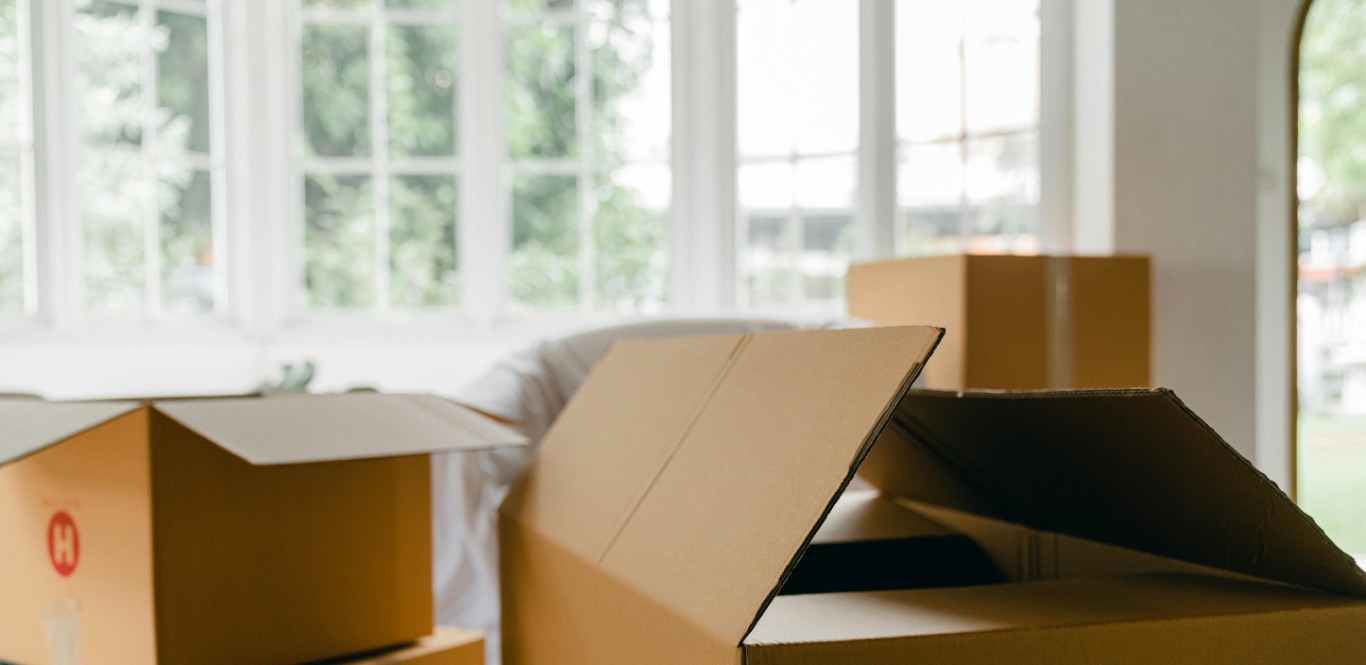
Over nearly two years, I downsized from a spacious house to just checked luggage, carry-ons, and a backpack, leaving behind the clutter that had anchored me down. I discovered that my real wealth was not in my possessions but in my experiences, relationships, and time. I learned that the things I owned often drained my energy and distracted me from what brings me joy: sipping coffee from my favorite mug, learning a new dance, attending a live concert, or simply being present.
Owning less has been a journey of rediscovery. I no longer want to be defined by my possessions. Instead, I choose to live intentionally, focusing on what truly enriches my life. I’ve realized that possessions are not the key to happiness; they can be barriers that block us from seeing the beauty and connection right in front of us. Today, my approach is centered on prioritizing what adds value and fosters genuine connection, rather than accumulating clutter. My perspective has transformed: owning less isn’t about deprivation; it’s about liberation. It’s about creating space for what truly matters: your passions, loved ones, and personal growth.
If you’re feeling overwhelmed by clutter, or if you sense that your possessions are holding you back from living fully, know that transformation is possible. It begins with a single step, questioning what truly adds value to your life and what is simply taking up space.
Reflective Questions for You
- What one thing can you let go of today to make space for what truly matters?
- How much energy are you spending on things that no longer serve your happiness?
- What’s one small change you can make right now to simplify your life and focus on what counts?
Take Action
If you’re ready to create space: physically, mentally, and emotionally for what truly matters, I invite you to reach out. Let’s explore how you can embrace a more intentional, joyful life by decluttering not just your space, but your mind and spirit too.
And to inspire your journey, I invite you to listen to this song, “Beautiful Things” by Gungor, that captures the essence of letting go and finding freedom.
Together, we can craft a path toward freedom, clarity, and fulfillment. Connect with me today and start your journey toward a more meaningful life. Because happiness isn’t found in stuff, it’s in the freedom to be truly you.